


Can a Korean-Spec Car Be Registered in the EU? Check the VIN First
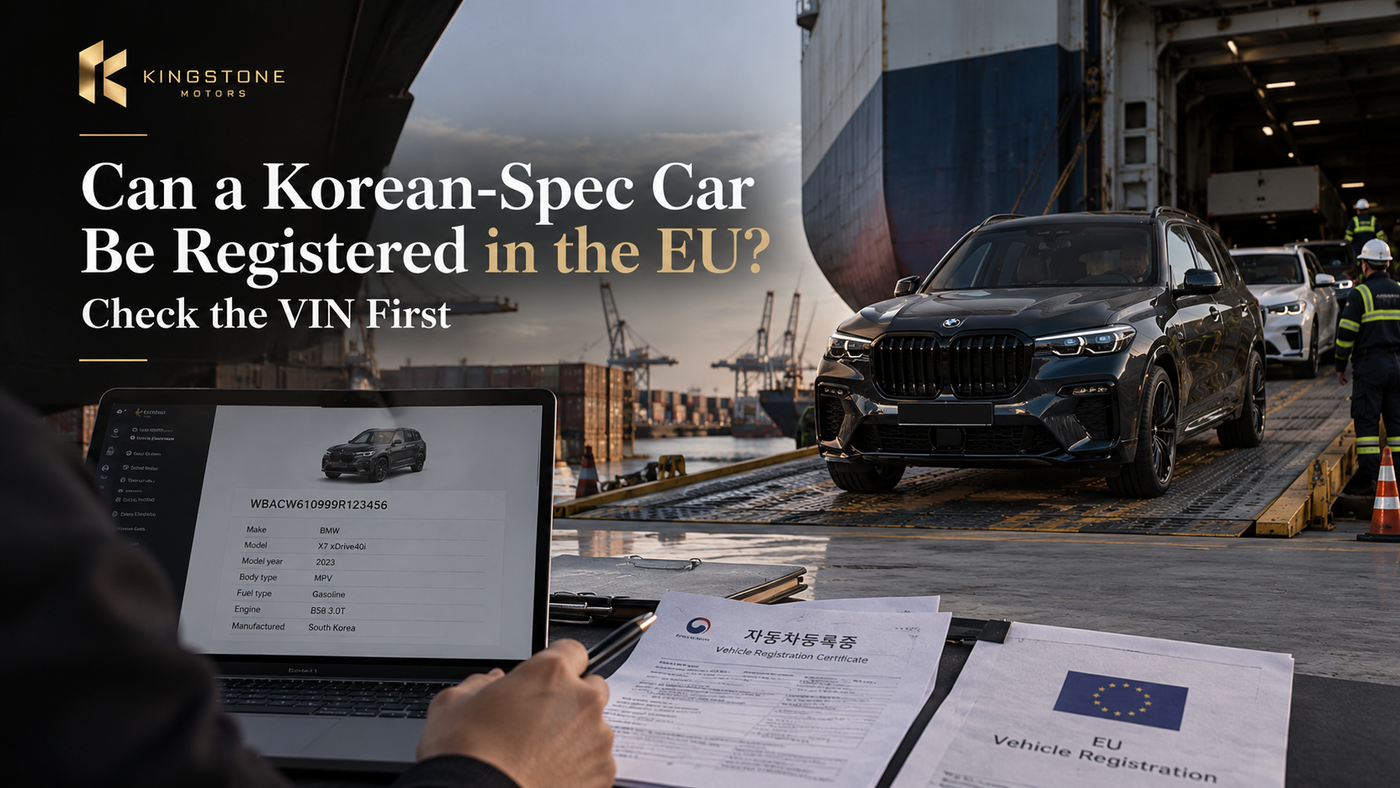
Customs clearance does not prove EU registration eligibility. Check CoC availability or an individual-approval route for the exact VIN before paying in Korea.
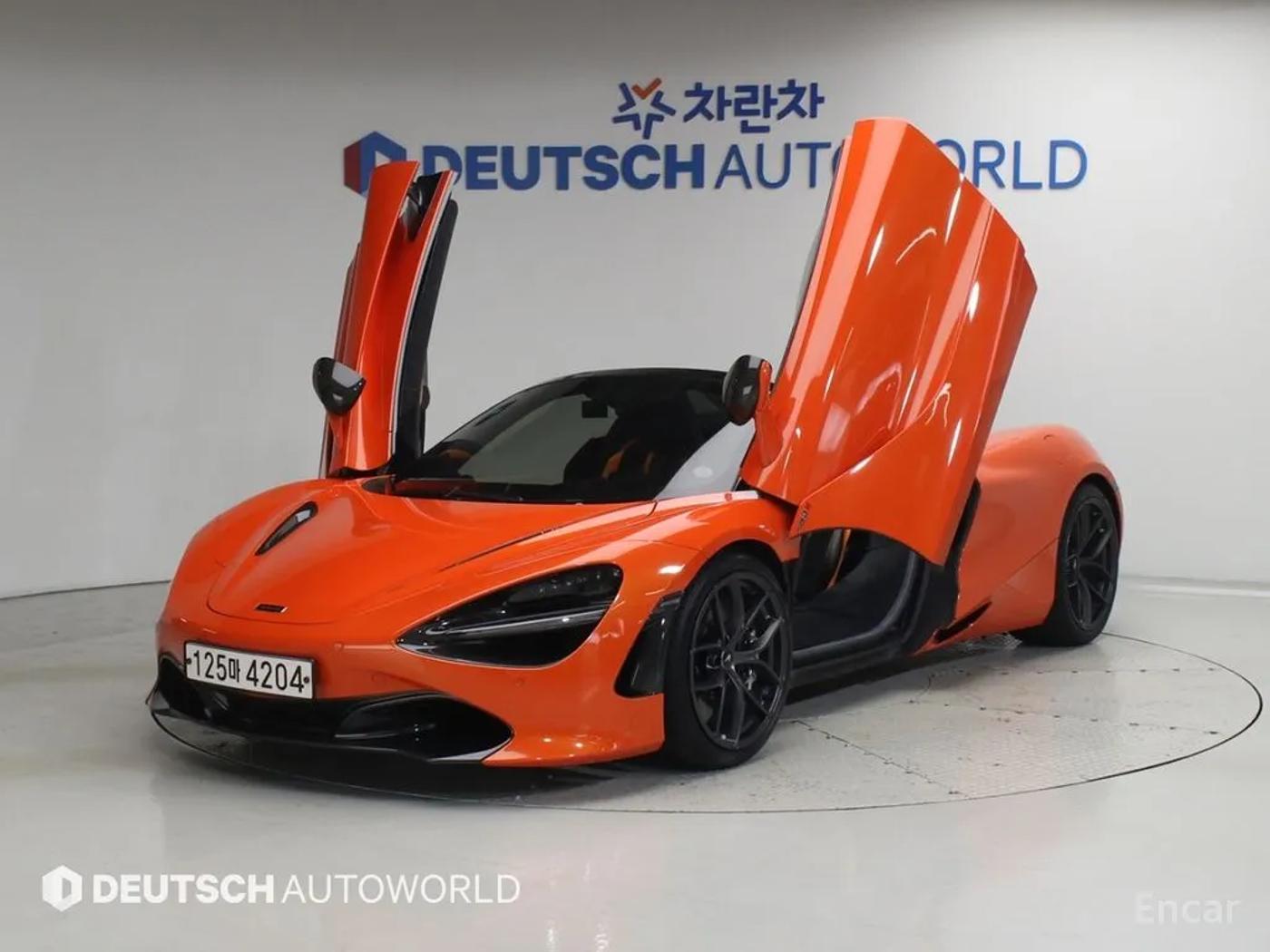
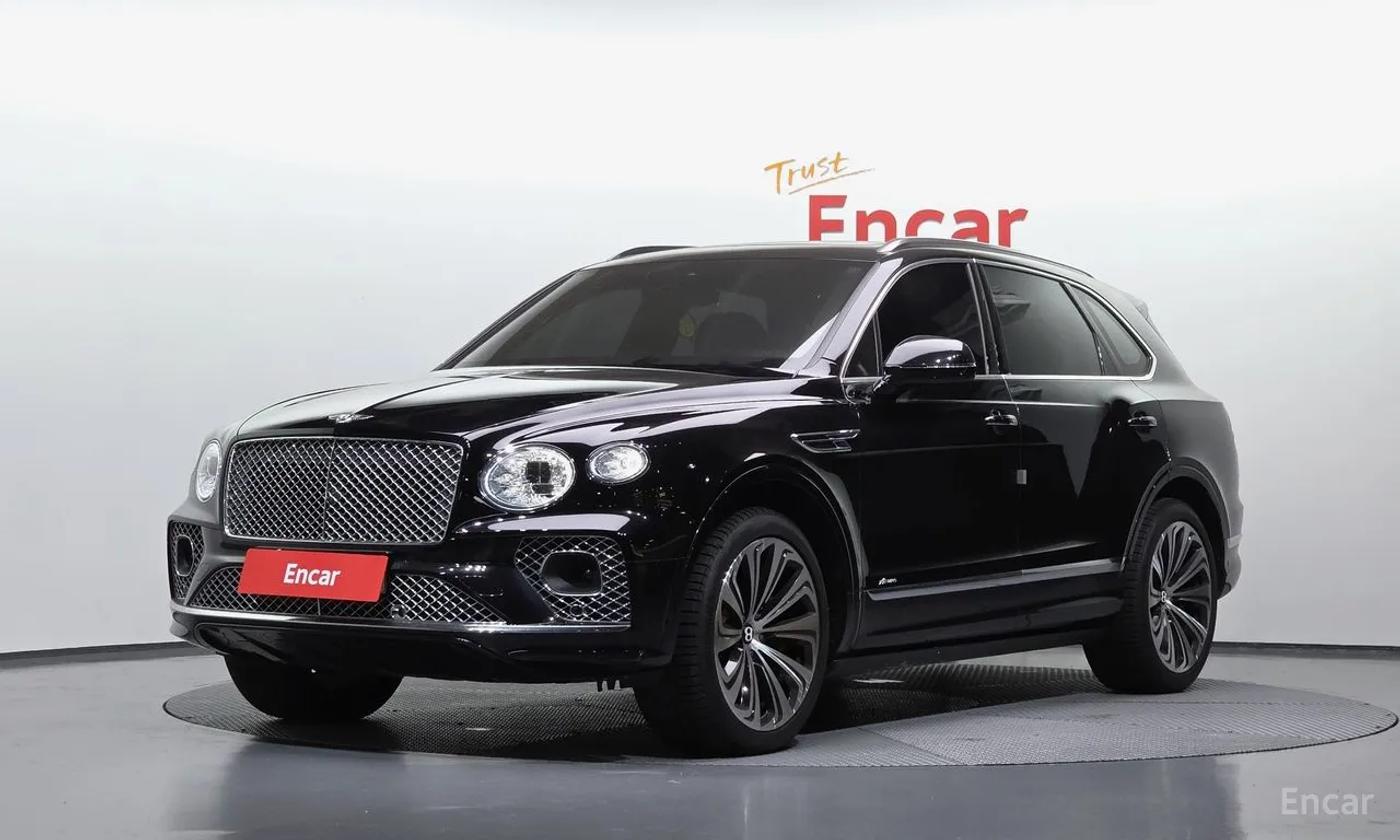
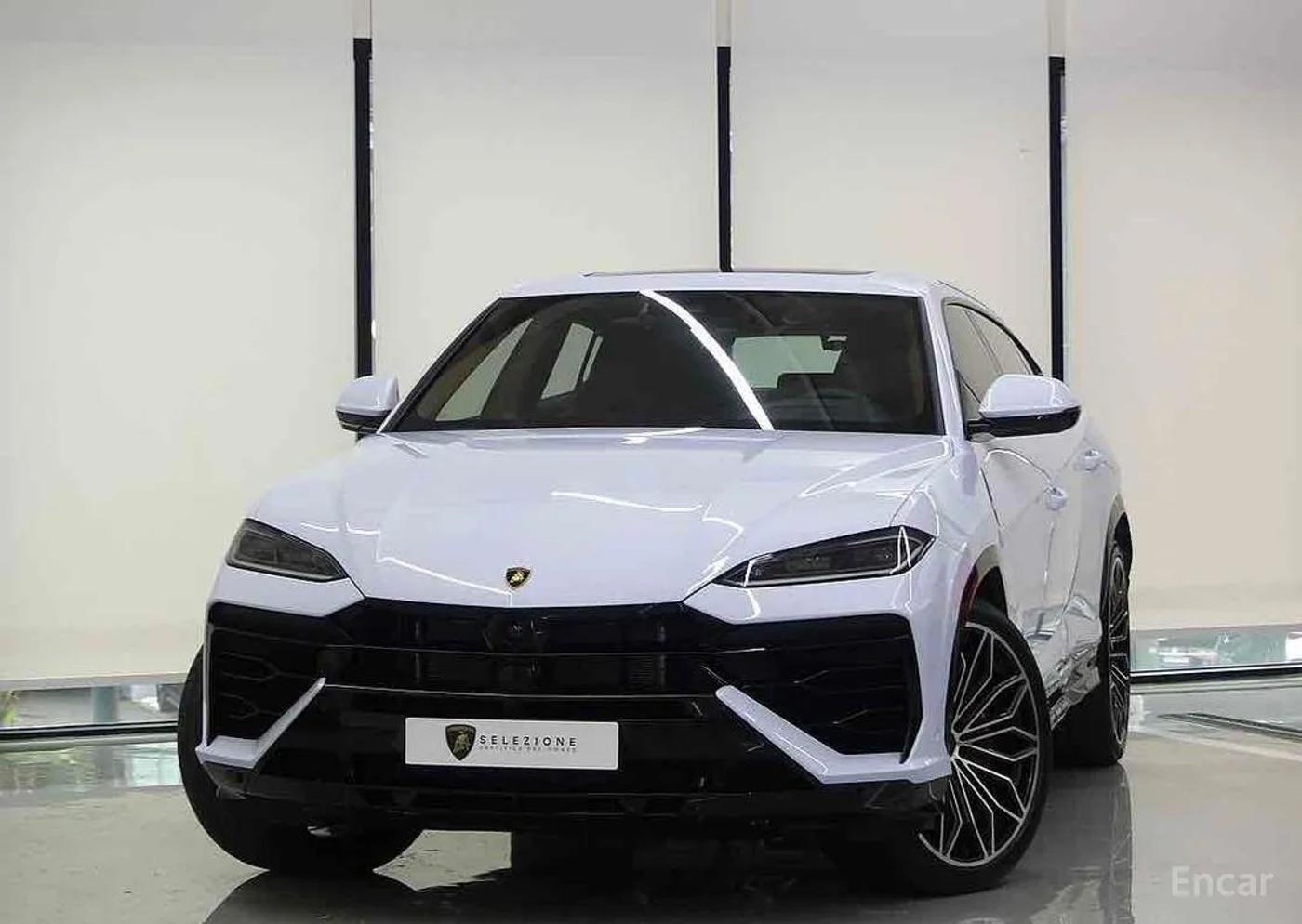
European buyers come to Korea for two things: German and Italian cars in rare specifications at Korean-market prices, and Korean-built cars that enter the EU duty-free. The customs treatment is different for each, and Switzerland is a different story from the EU. All three are set out below.
Figures last checked 2026-10-25. Customs rules change; confirm the current rate with your broker before a purchase.
RoRo or container from Busan or Incheon to Bremerhaven, Rotterdam or Antwerp. Six to eight weeks from booking to the port is typical; the sailing itself is the larger part of it. We quote the current transit with the car.
Clearance happens at the port of entry, and the car can then move by transporter or on its own plates (with a temporary registration) to Germany, Switzerland or wherever it is going.
Cars built in Korea, when the invoice carries an origin declaration under the EU–Korea agreement. A Porsche or a G-Class bought in Korea was built in Germany, so it does not qualify for the FTA rate; it may qualify for returned-goods relief instead, which your broker assesses from the car’s history.
Yes. It clears at 10% duty and 19% VAT unless returned-goods relief applies, and registers on a Certificate of Conformity if the manufacturer issues one for the Korean-market specification, otherwise through individual approval. The specification is the point to check before buying: Korean-market cars are built to Korean rules, and the differences are usually small but have to be shown.
No customs duty since 2024. The cost at the border is the 4% automobile tax and 8.1% VAT on the value plus transport, and registration goes through the cantonal road traffic office with a type approval or individual inspection. A car that has been yours for more than six months may enter as household effects with no tax; that is a relocation rule, not a purchase route.
It is the simplest route to registration, and for many German-brand cars sold in Korea the manufacturer can issue one. Where it cannot, individual approval replaces it. We find out which applies for the specific car before you commit, because it changes both the cost and the time.
Customs clearance does not prove EU registration eligibility. Check CoC availability or an individual-approval route for the exact VIN before paying in Korea.
A 80,000,000 won car lands in Germany near EUR 69,400: EUR 5,301 EU duty, EUR 11,079 import VAT, EUR 30 registration, plus lines only a quote fills.